

Tom Twiby®

Contact Me
Resume.pdf
Defining the Problem
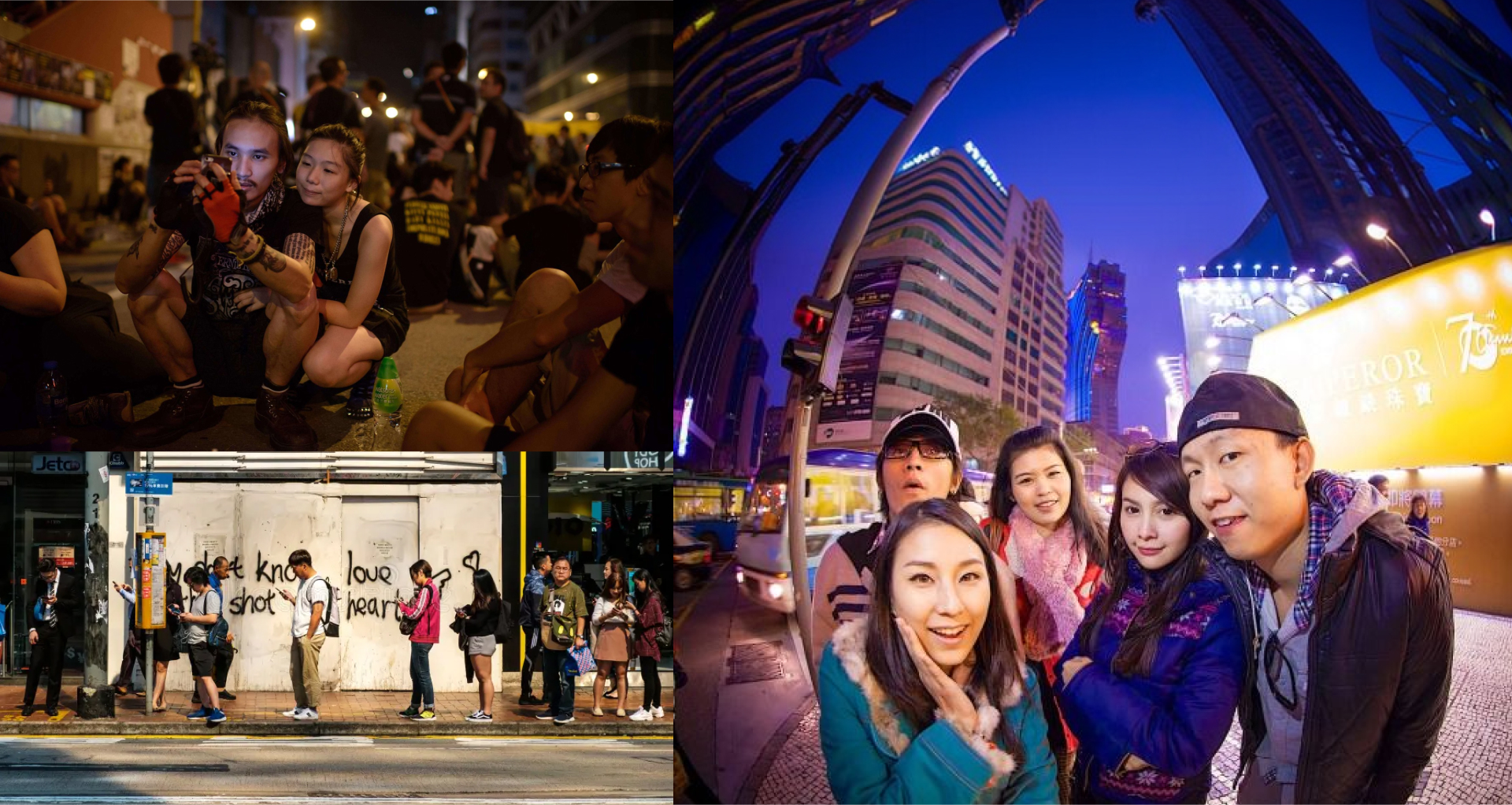
Hong Kong's relationship with money is distinct. Most locals carry two to three credit cards, there's a deep "Jetso" mindset of maximising every dollar, and traditional banking was fragmented and disconnected from how younger users manage finances. We needed to design for a market that was financially literate but unfamiliar with fully digital banking.
The Challenge
Standard Chartered won one of Hong Kong's first virtual banking licenses and wanted to build something entirely new. Not an extension of their existing bank, but a product designed for financially savvy millennials who were underserved by traditional banking. The challenge: Hong Kongers had never used a bank that existed solely on a phone.
My Role
UI Design | Design Systems | Motion Design | Prototyping | Visual Direction
The Solution
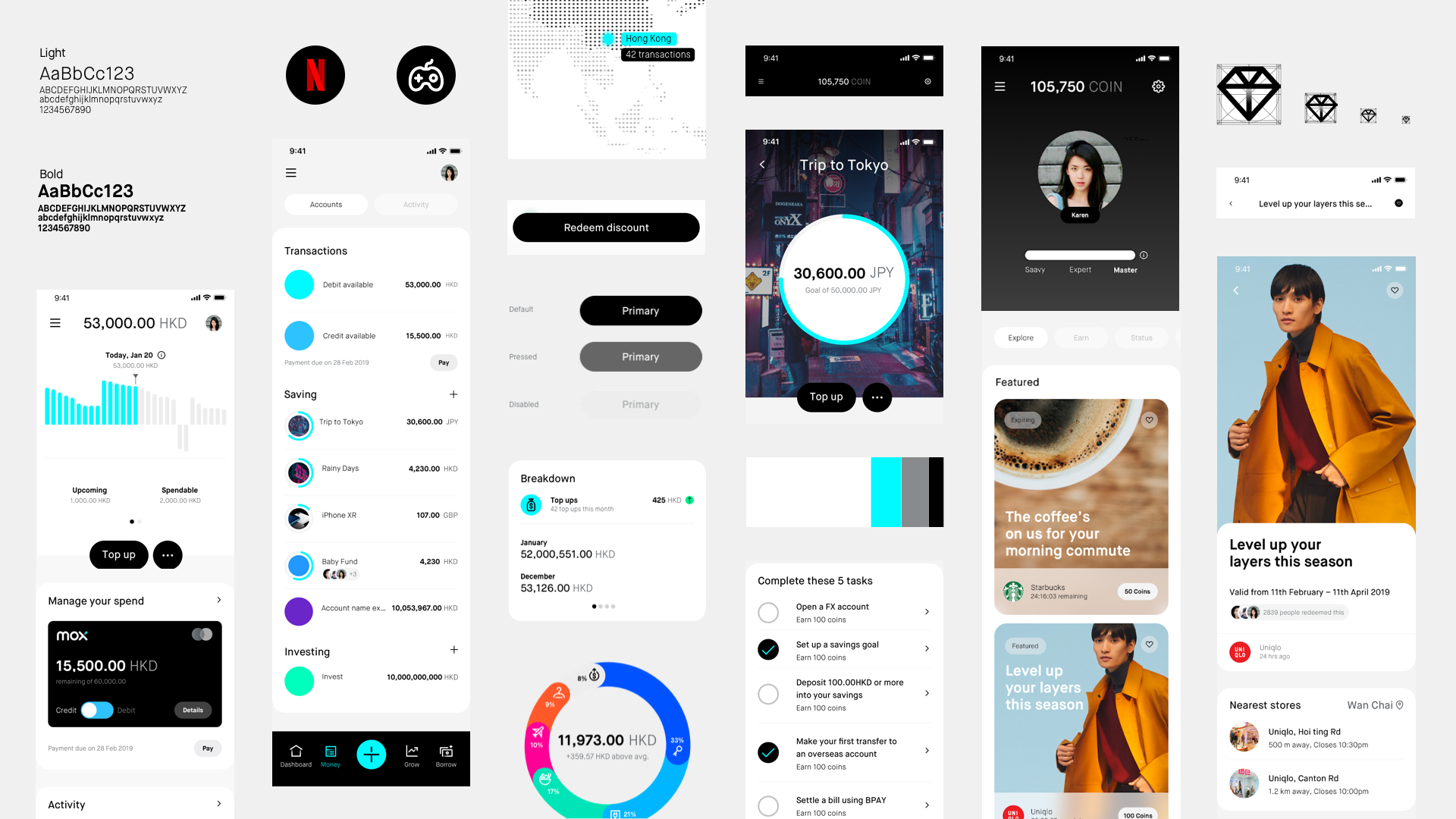
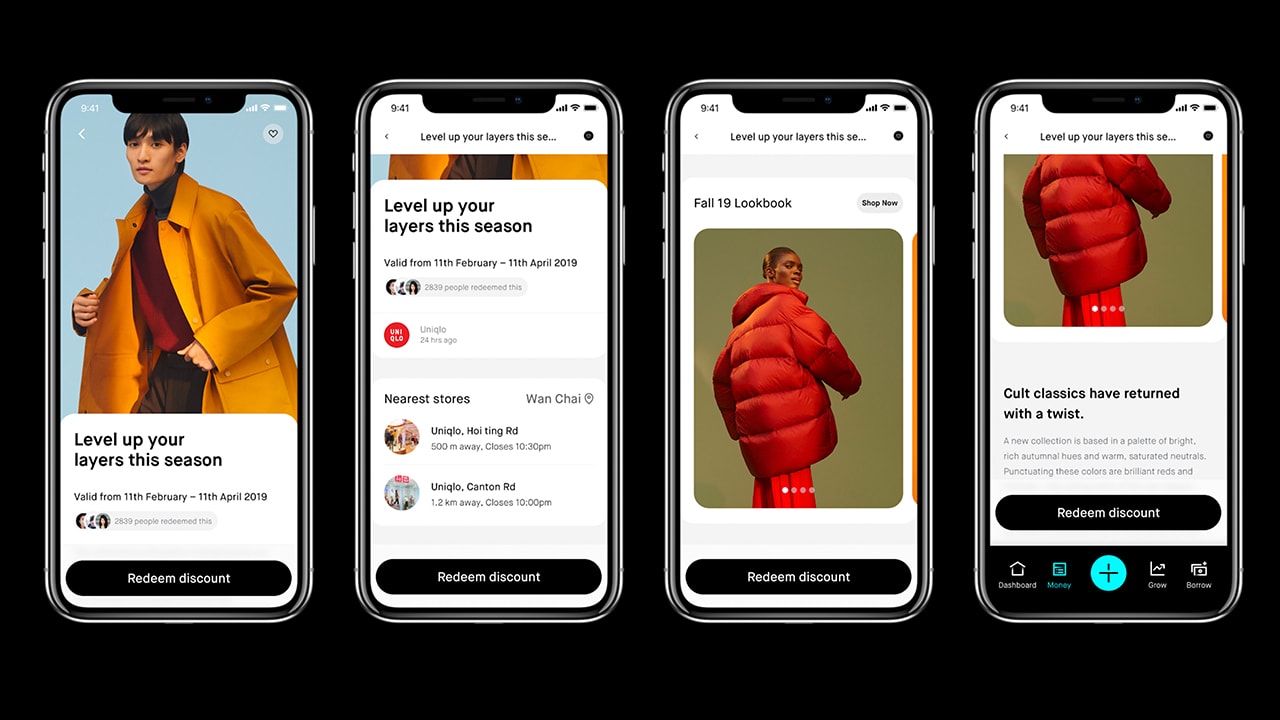
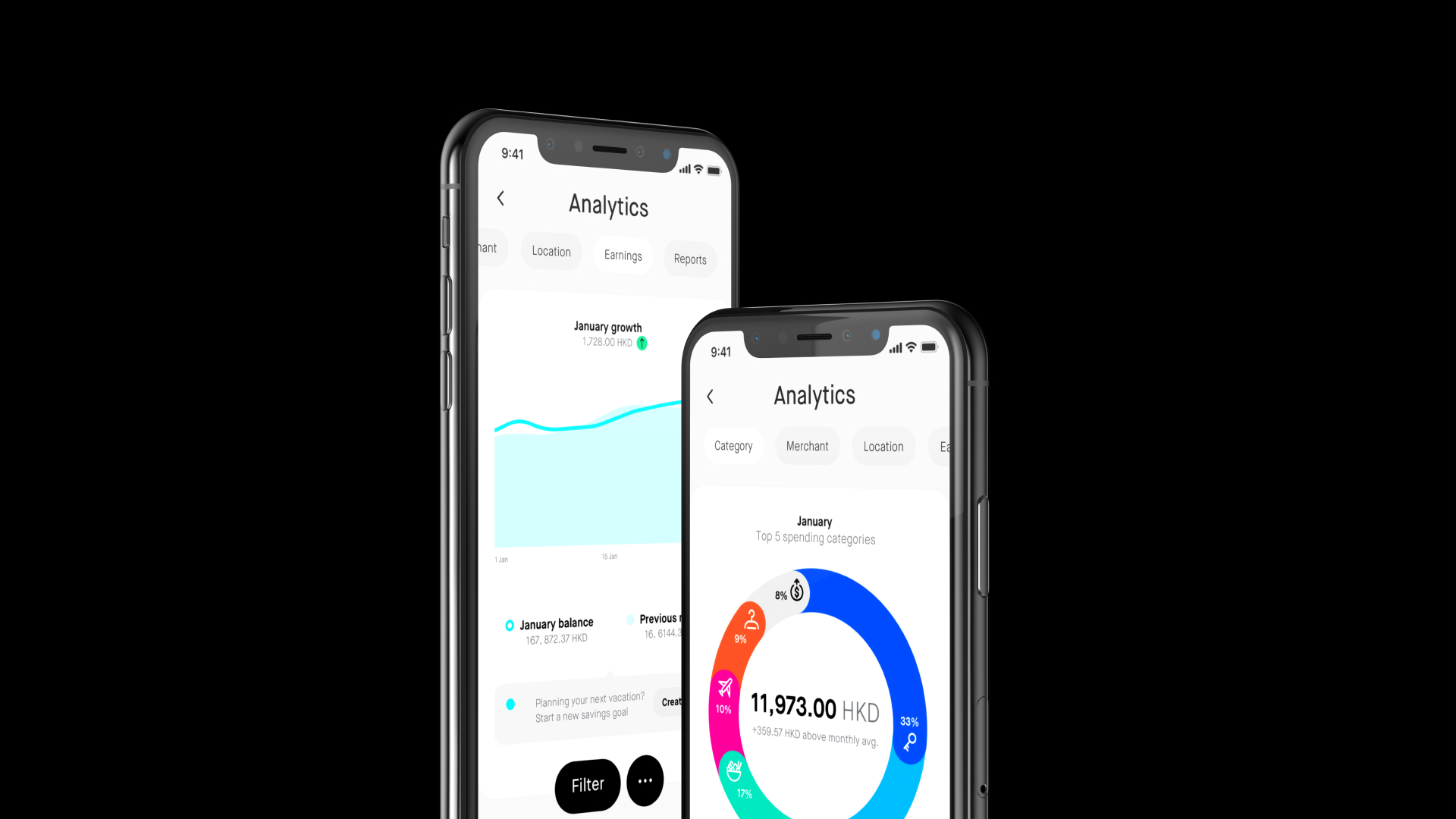
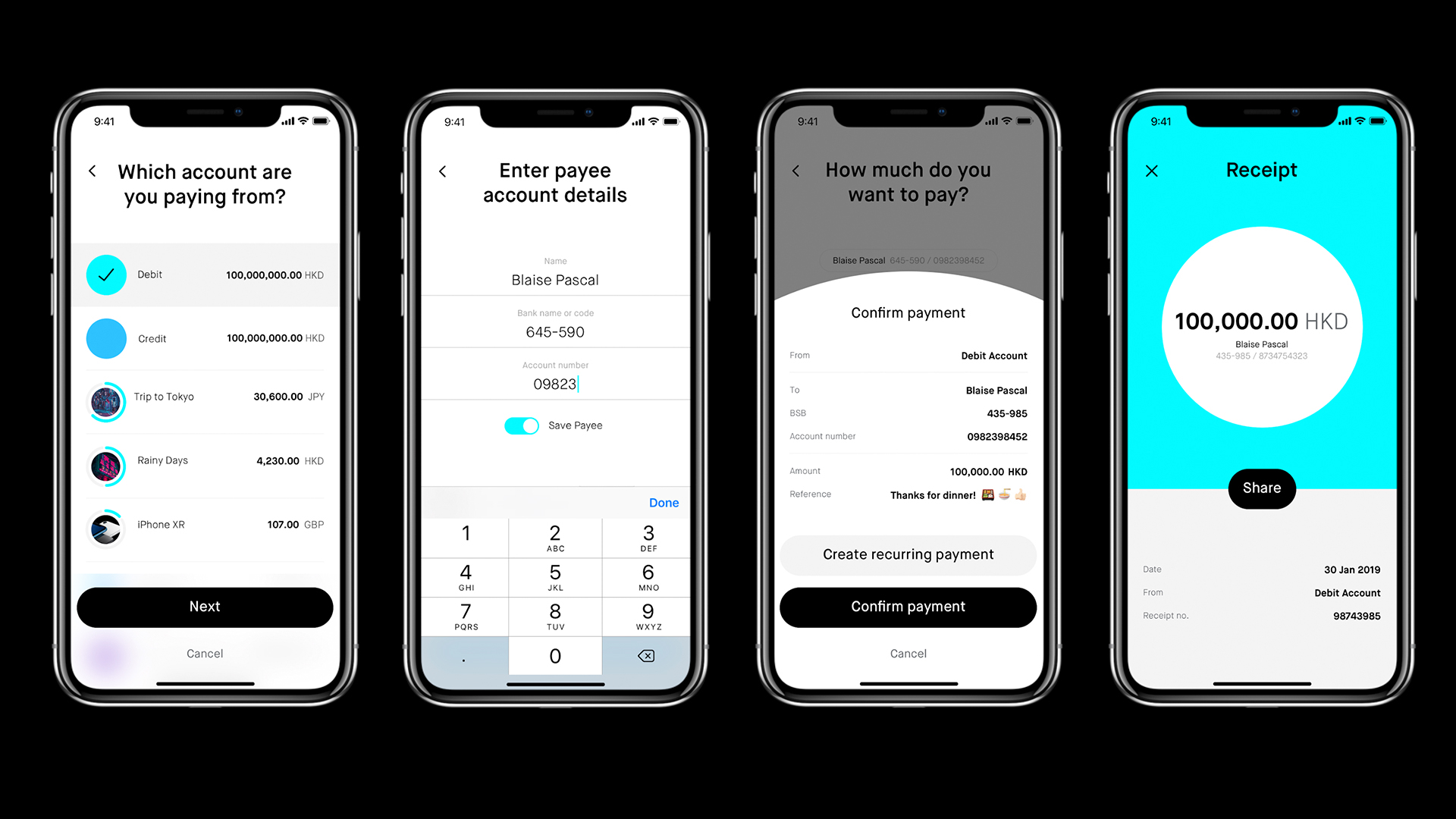
Working in two-week sprints, we delivered 10 epics in four months. The product covered core banking while feeling nothing like a traditional bank: instant account opening in minutes, an "earn as you spend" rewards system, contextual loan options like "advance my pay," and a tiered gamification system.
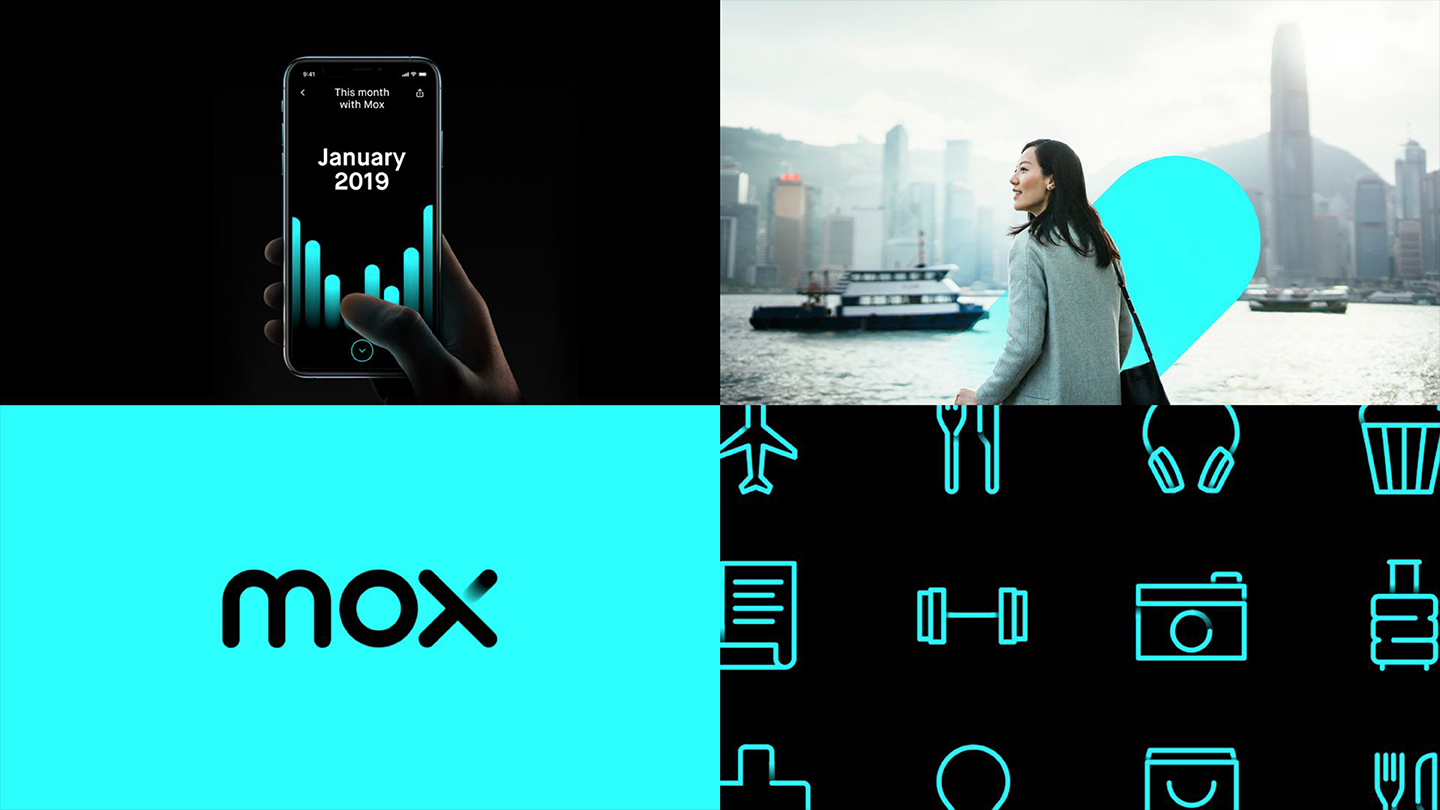
Mox was the first bank in Asia to launch an all-in-one numberless bank card with Mastercard. The visual identity drew from the Hong Kong dollar coin, a nod to Standard Chartered's heritage.
We built the design system for rapid iteration at startup pace, and used motion to make complex financial information feel approachable.
Prototypes were built throughout for internal alignment and user testing conducted in Cantonese with local participants.
Mox Bank
Designing Hong Kong's first virtual bank from the ground up.



Outcome
Mox launched in Hong Kong in 2020 and grew rapidly. In year one, the bank acquired 170,000+ customers, with 80% onboarded in as little as three minutes. By 2021, users had tripled to over 200,000. The product generated over HKD 2.3 billion in customer spend, HKD 5 billion in savings deposits, and HKD 4 billion in loans.
Mox was voted the most trusted virtual bank in Hong Kong by YouGov, rated 4.7 on the App Store (the highest of any Hong Kong virtual bank), ranked number one in Asia by SIA, and received an honourable mention from Fast Company for best designed finance projects.
Tom Twiby®
Contact Me
Resume.pdf
Defining the Problem
Hong Kong's relationship with money is distinct. Most locals carry two to three credit cards, there's a deep "Jetso" mindset of maximising every dollar, and traditional banking was fragmented and disconnected from how younger users manage finances. We needed to design for a market that was financially literate but unfamiliar with fully digital banking.
The Challenge
Standard Chartered won one of Hong Kong's first virtual banking licenses and wanted to build something entirely new. Not an extension of their existing bank, but a product designed for financially savvy millennials who were underserved by traditional banking. The challenge: Hong Kongers had never used a bank that existed solely on a phone.
My Role
UI Design | Design Systems | Motion Design | Prototyping | Visual Direction
The Solution
Working in two-week sprints, we delivered 10 epics in four months. The product covered core banking while feeling nothing like a traditional bank: instant account opening in minutes, an "earn as you spend" rewards system, contextual loan options like "advance my pay," and a tiered gamification system.
Mox was the first bank in Asia to launch an all-in-one numberless bank card with Mastercard. The visual identity drew from the Hong Kong dollar coin, a nod to Standard Chartered's heritage.
We built the design system for rapid iteration at startup pace, and used motion to make complex financial information feel approachable.
Prototypes were built throughout for internal alignment and user testing conducted in Cantonese with local participants.
Mox Bank
Designing Hong Kong's first virtual bank from the ground up.
Outcome
Mox launched in Hong Kong in 2020 and grew rapidly. In year one, the bank acquired 170,000+ customers, with 80% onboarded in as little as three minutes. By 2021, users had tripled to over 200,000. The product generated over HKD 2.3 billion in customer spend, HKD 5 billion in savings deposits, and HKD 4 billion in loans.
Mox was voted the most trusted virtual bank in Hong Kong by YouGov, rated 4.7 on the App Store (the highest of any Hong Kong virtual bank), ranked number one in Asia by SIA, and received an honourable mention from Fast Company for best designed finance projects.
Projects
Projects
My AI Approach
My AI Approach
Resume.pdf
Resume.pdf
Tom Twiby®

Contact Me
Resume.pdf
Defining the Problem
Hong Kong's relationship with money is distinct. Most locals carry two to three credit cards, there's a deep "Jetso" mindset of maximising every dollar, and traditional banking was fragmented and disconnected from how younger users manage finances. We needed to design for a market that was financially literate but unfamiliar with fully digital banking.
The Challenge
Standard Chartered won one of Hong Kong's first virtual banking licenses and wanted to build something entirely new. Not an extension of their existing bank, but a product designed for financially savvy millennials who were underserved by traditional banking. The challenge: Hong Kongers had never used a bank that existed solely on a phone.
My Role
UI Design | Design Systems | Motion Design | Prototyping | Visual Direction
The Solution
Working in two-week sprints, we delivered 10 epics in four months. The product covered core banking while feeling nothing like a traditional bank: instant account opening in minutes, an "earn as you spend" rewards system, contextual loan options like "advance my pay," and a tiered gamification system.
Mox was the first bank in Asia to launch an all-in-one numberless bank card with Mastercard. The visual identity drew from the Hong Kong dollar coin, a nod to Standard Chartered's heritage.
We built the design system for rapid iteration at startup pace, and used motion to make complex financial information feel approachable.
Prototypes were built throughout for internal alignment and user testing conducted in Cantonese with local participants.
Mox Bank
Designing Hong Kong's first virtual bank from the ground up.
Outcome
Mox launched in Hong Kong in 2020 and grew rapidly. In year one, the bank acquired 170,000+ customers, with 80% onboarded in as little as three minutes. By 2021, users had tripled to over 200,000. The product generated over HKD 2.3 billion in customer spend, HKD 5 billion in savings deposits, and HKD 4 billion in loans.
Mox was voted the most trusted virtual bank in Hong Kong by YouGov, rated 4.7 on the App Store (the highest of any Hong Kong virtual bank), ranked number one in Asia by SIA, and received an honourable mention from Fast Company for best designed finance projects.
Projects
Projects
My AI Approach
My AI Approach
Resume.pdf
Resume.pdf
Tom Twiby®
Contact Me
Resume.pdf
Defining the Problem
Hong Kong's relationship with money is distinct. Most locals carry two to three credit cards, there's a deep "Jetso" mindset of maximising every dollar, and traditional banking was fragmented and disconnected from how younger users manage finances. We needed to design for a market that was financially literate but unfamiliar with fully digital banking.
The Challenge
Standard Chartered won one of Hong Kong's first virtual banking licenses and wanted to build something entirely new. Not an extension of their existing bank, but a product designed for financially savvy millennials who were underserved by traditional banking. The challenge: Hong Kongers had never used a bank that existed solely on a phone.
My Role
UI Design | Design Systems | Motion Design | Prototyping | Visual Direction
The Solution
Working in two-week sprints, we delivered 10 epics in four months. The product covered core banking while feeling nothing like a traditional bank: instant account opening in minutes, an "earn as you spend" rewards system, contextual loan options like "advance my pay," and a tiered gamification system.
Mox was the first bank in Asia to launch an all-in-one numberless bank card with Mastercard. The visual identity drew from the Hong Kong dollar coin, a nod to Standard Chartered's heritage.
We built the design system for rapid iteration at startup pace, and used motion to make complex financial information feel approachable.
Prototypes were built throughout for internal alignment and user testing conducted in Cantonese with local participants.
Mox Bank
Designing Hong Kong's first virtual bank from the ground up.
Outcome
Mox launched in Hong Kong in 2020 and grew rapidly. In year one, the bank acquired 170,000+ customers, with 80% onboarded in as little as three minutes. By 2021, users had tripled to over 200,000. The product generated over HKD 2.3 billion in customer spend, HKD 5 billion in savings deposits, and HKD 4 billion in loans.
Mox was voted the most trusted virtual bank in Hong Kong by YouGov, rated 4.7 on the App Store (the highest of any Hong Kong virtual bank), ranked number one in Asia by SIA, and received an honourable mention from Fast Company for best designed finance projects.
Projects
Projects
My AI Approach
My AI Approach
Resume.pdf
Resume.pdf
Tom Twiby®

Contact Me
Resume.pdf
The Solution
Working in two-week sprints, we delivered 10 epics in four months. The product covered core banking while feeling nothing like a traditional bank: instant account opening in minutes, an "earn as you spend" rewards system, contextual loan options like "advance my pay," and a tiered gamification system.
Mox was the first bank in Asia to launch an all-in-one numberless bank card with Mastercard. The visual identity drew from the Hong Kong dollar coin, a nod to Standard Chartered's heritage.
We built the design system for rapid iteration at startup pace, and used motion to make complex financial information feel approachable.
Prototypes were built throughout for internal alignment and user testing conducted in Cantonese with local participants.
Defining the Problem
Hong Kong's relationship with money is distinct. Most locals carry two to three credit cards, there's a deep "Jetso" mindset of maximising every dollar, and traditional banking was fragmented and disconnected from how younger users manage finances. We needed to design for a market that was financially literate but unfamiliar with fully digital banking.
The Challenge
Standard Chartered won one of Hong Kong's first virtual banking licenses and wanted to build something entirely new. Not an extension of their existing bank, but a product designed for financially savvy millennials who were underserved by traditional banking. The challenge: Hong Kongers had never used a bank that existed solely on a phone.
My Role
UI Design | Design Systems | Motion Design | Prototyping | Visual Direction
Mox Bank
Designing Hong Kong's first virtual bank from the ground up.
Outcome
Mox launched in Hong Kong in 2020 and grew rapidly. In year one, the bank acquired 170,000+ customers, with 80% onboarded in as little as three minutes. By 2021, users had tripled to over 200,000. The product generated over HKD 2.3 billion in customer spend, HKD 5 billion in savings deposits, and HKD 4 billion in loans.
Mox was voted the most trusted virtual bank in Hong Kong by YouGov, rated 4.7 on the App Store (the highest of any Hong Kong virtual bank), ranked number one in Asia by SIA, and received an honourable mention from Fast Company for best designed finance projects.
Projects
Projects
My AI Approach
My AI Approach
Resume.pdf
Resume.pdf
Tom Twiby®

Contact Me
Resume.pdf
The Solution
Working in two-week sprints, we delivered 10 epics in four months. The product covered core banking while feeling nothing like a traditional bank: instant account opening in minutes, an "earn as you spend" rewards system, contextual loan options like "advance my pay," and a tiered gamification system.
Mox was the first bank in Asia to launch an all-in-one numberless bank card with Mastercard. The visual identity drew from the Hong Kong dollar coin, a nod to Standard Chartered's heritage.
We built the design system for rapid iteration at startup pace, and used motion to make complex financial information feel approachable.
Prototypes were built throughout for internal alignment and user testing conducted in Cantonese with local participants.
Defining the Problem
Hong Kong's relationship with money is distinct. Most locals carry two to three credit cards, there's a deep "Jetso" mindset of maximising every dollar, and traditional banking was fragmented and disconnected from how younger users manage finances. We needed to design for a market that was financially literate but unfamiliar with fully digital banking.
The Challenge
Standard Chartered won one of Hong Kong's first virtual banking licenses and wanted to build something entirely new. Not an extension of their existing bank, but a product designed for financially savvy millennials who were underserved by traditional banking. The challenge: Hong Kongers had never used a bank that existed solely on a phone.
My Role
UI Design | Design Systems | Motion Design | Prototyping | Visual Direction
Mox Bank
Designing Hong Kong's first virtual bank from the ground up.
Outcome
Mox launched in Hong Kong in 2020 and grew rapidly. In year one, the bank acquired 170,000+ customers, with 80% onboarded in as little as three minutes. By 2021, users had tripled to over 200,000. The product generated over HKD 2.3 billion in customer spend, HKD 5 billion in savings deposits, and HKD 4 billion in loans.
Mox was voted the most trusted virtual bank in Hong Kong by YouGov, rated 4.7 on the App Store (the highest of any Hong Kong virtual bank), ranked number one in Asia by SIA, and received an honourable mention from Fast Company for best designed finance projects.
Projects
Projects
My AI Approach
My AI Approach
Resume.pdf
Resume.pdf
Tom Twiby®

Contact Me
Resume.pdf
The Solution
Working in two-week sprints, we delivered 10 epics in four months. The product covered core banking while feeling nothing like a traditional bank: instant account opening in minutes, an "earn as you spend" rewards system, contextual loan options like "advance my pay," and a tiered gamification system.
Mox was the first bank in Asia to launch an all-in-one numberless bank card with Mastercard. The visual identity drew from the Hong Kong dollar coin, a nod to Standard Chartered's heritage.
We built the design system for rapid iteration at startup pace, and used motion to make complex financial information feel approachable.
Prototypes were built throughout for internal alignment and user testing conducted in Cantonese with local participants.
Defining the Problem
Hong Kong's relationship with money is distinct. Most locals carry two to three credit cards, there's a deep "Jetso" mindset of maximising every dollar, and traditional banking was fragmented and disconnected from how younger users manage finances. We needed to design for a market that was financially literate but unfamiliar with fully digital banking.
The Challenge
Standard Chartered won one of Hong Kong's first virtual banking licenses and wanted to build something entirely new. Not an extension of their existing bank, but a product designed for financially savvy millennials who were underserved by traditional banking. The challenge: Hong Kongers had never used a bank that existed solely on a phone.
My Role
UI Design | Design Systems | Motion Design | Prototyping | Visual Direction
Mox Bank
Designing Hong Kong's first virtual bank from the ground up.
Outcome
Mox launched in Hong Kong in 2020 and grew rapidly. In year one, the bank acquired 170,000+ customers, with 80% onboarded in as little as three minutes. By 2021, users had tripled to over 200,000. The product generated over HKD 2.3 billion in customer spend, HKD 5 billion in savings deposits, and HKD 4 billion in loans.
Mox was voted the most trusted virtual bank in Hong Kong by YouGov, rated 4.7 on the App Store (the highest of any Hong Kong virtual bank), ranked number one in Asia by SIA, and received an honorable mention from Fast Company for best designed finance projects.